
Every woman’s body is different — and so is her calorie need. Whether you’re trying to lose weight, build muscle, or simply maintain a healthy lifestyle, knowing your Total Daily Energy Expenditure (TDEE) is the first and most important step.
But not just any estimate will do. You need an accurate TDEE calculator for women accurate — one that factors in your unique physiology, hormones, and activity patterns. In this guide, we’ll explain everything you need to know about TDEE, how it’s calculated for women specifically, and how to use your number to reach your health goals faster.
👉 Try the TDEE Calculator for Women Accurate Results → dailytdee.online
Table of Contents
What Is TDEE and Why Does It Matter for Women?
TDEE stands for Total Daily Energy Expenditure — the total number of calories your body burns in a day, including:
- BMR (Basal Metabolic Rate): Calories burned at rest
- Physical Activity: Exercise and daily movement
- TEF (Thermic Effect of Food): Calories burned digesting food
- NEAT (Non-Exercise Activity Thermogenesis): Everyday movements like walking and fidgeting
- For women having a TDEE calculator for women accurate to your bodytype is especially important because female hormones, menstrual cycles, body composition, and metabolism all play a role in how many calories you actually need. A generic calorie calculator simply won’t cut it.
Why Women Need a Separate TDEE Calculation:
Men and women burn calories differently. Here’s why using a TDEE calculator for women accurate to female physiology matters so much:
1. Women Have a Lower BMR
Women typically have more body fat and less muscle mass than men of the same weight. Since muscle burns more calories than fat, women generally have a lower Basal Metabolic Rate (BMR). A female-specific formula accounts for this.
2. Hormonal Fluctuations Affect Metabolism
During different phases of the menstrual cycle, a woman’s metabolic rate can shift by up to 10–15%. Pregnancy, breastfeeding, and menopause also significantly alter calorie needs.
3. Activity Type and Intensity Differ
Women often engage in different types of physical activity — yoga, pilates, cardio, strength training — each of which affects TDEE differently. A TDEE calculator for women accurate to your lifestyle lets you choose your exact activity level for precision results.
How Is TDEE Calculated for Women?
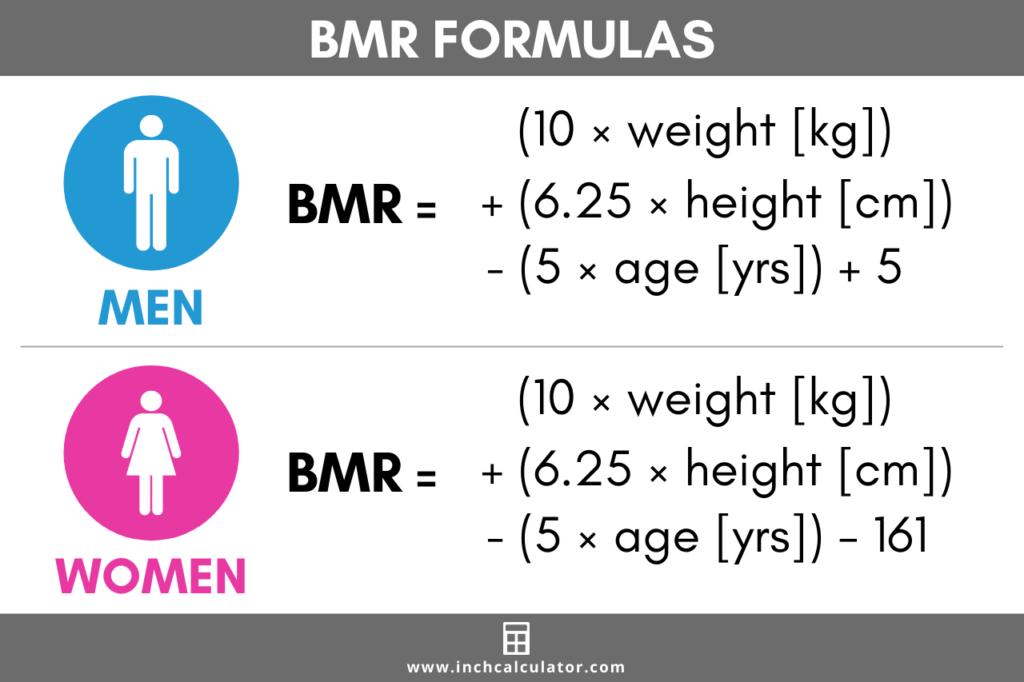
The most accurate formula used in a TDEE calculator for women accurate to real metabolic data is the Mifflin-St Jeor Equation:
BMR = (10 × weight in kg) + (6.25 × height in cm) − (5 × age in years) − 161
Once your BMR is calculated, it is multiplied by an Activity Multiplier:
| Activity Level | Multiplier |
|---|---|
| Sedentary (little/no exercise) | × 1.2 |
| Lightly Active (1–3 days/week) | × 1.375 |
| Moderately Active (3–5 days/week) | × 1.55 |
| Very Active (6–7 days/week) | × 1.725 |
| Extra Active (physical job + exercise) | × 1.9 |
Your TDEE = BMR × Activity Multiplier
How to Use the TDEE Calculator for Women on DailyTDEE.online:
Using the calculator is fast and simple:
- Enter your age — Metabolism slows with age; this matters.
- Enter your height and weight — Choose kg/cm or lbs/ft.
- Select your activity level — Be honest for accurate results.
- Click Calculate — Get your personalized TDEE instantly.
👉 Use the Accurate TDEE Calculator for Women → dailytdee.online
What to Do With Your TDEE Number
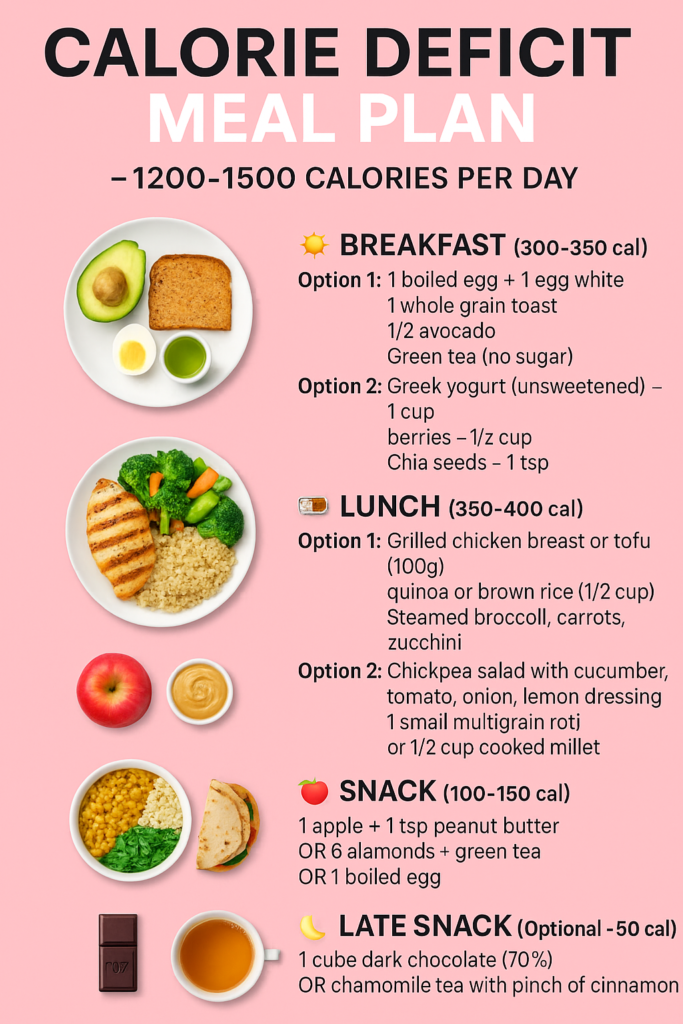
Once you know your TDEE, you can set a calorie goal based on your objective:
🔻 Weight Loss
Eat 300–500 calories below your TDEE for steady, sustainable fat loss (0.5–1 lb per week).
⚖️ Maintenance
Eat at your TDEE to maintain your current weight without gaining or losing.
🔺 Muscle Gain
Eat 200–300 calories above your TDEE in a clean bulk to build lean muscle without excessive fat gain.
Common Mistakes Women Make When Calculating TDEE
Underestimating Activity Level
Many women select “sedentary” when they’re actually lightly to moderately active. This leads to underestimating calorie needs and extreme restriction that backfires.
Using Male-Specific Formulas
Some older online calculators don’t differentiate between sexes. Always use a female-specific TDEE calculator for accurate results.
Not Recalculating After Weight Changes
Your TDEE changes as your weight changes. Recalculate every 4–6 weeks for continued accuracy.
TDEE for Women at Different Life Stages
TDEE for Women in Their 20s
Metabolism is typically at its peak. TDEE tends to be higher, especially for active women.
TDEE for Women in Their 30s and 40s
Metabolism begins to slow slightly. Muscle-preserving activities like strength training become more important.
TDEE for Women During Menopause
Estrogen decline reduces BMR. Many women need 200–300 fewer calories per day compared to their pre-menopausal state.
TDEE for Pregnant or Breastfeeding Women
Calorie needs increase significantly. Pregnant women need approximately +300 cal/day and breastfeeding women need +400–500 cal/day above their TDEE.
Frequently Asked Questions (FAQs)
Q1: Is the TDEE calculator accurate for women?
Q2: How often should women recalculate their TDEE?
Q3: What is a normal TDEE for women?
Q4: Can I use TDEE to lose belly fat specifically?
Q5: Is TDEE different for women with PCOS or thyroid issues?stion
Conclusion:
Understanding your calorie needs is the foundation of every successful fitness journey. An accurate TDEE calculator for women removes the guesswork and gives you a personalized, science-backed number to build your nutrition plan around.
Whether your goal is weight loss, muscle gain, or simply feeling your best — start with your TDEE.
👉 Calculate Your TDEE Now — Free & Accurate → dailytdee.online