
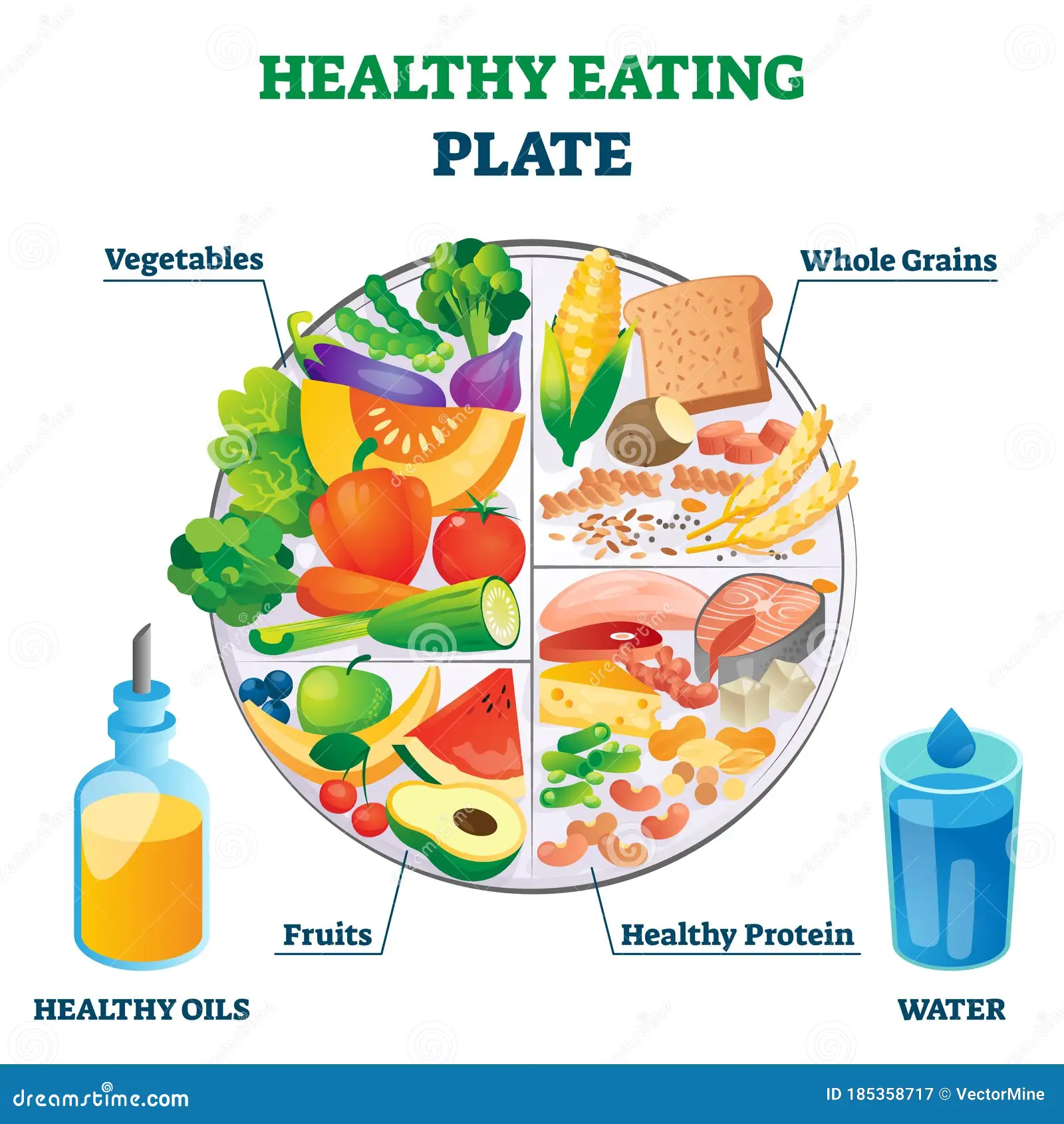
One of the most common questions in fitness nutrition is: should you eat the same calories every day, or adjust based on whether you’re training?
The short answer — it depends on your goals. But understanding the difference between calories on rest days vs workout days can completely transform your body composition results. Whether you’re trying to lose fat, build muscle, or maintain weight, knowing how to adjust your intake is a game-changer.
In this guide, we’ll break down exactly how your calorie needs change between training and rest days, how to calculate the right numbers, and how tools like our TDEE Calculator can do the heavy lifting for you.
Table of Contents
What Is TDEE and Why Does It Matter?
Before diving into rest days vs workout days, you need to understand TDEE — Total Daily Energy Expenditure. This is the total number of calories your body burns in a day, including:
- BMR (Basal Metabolic Rate) — calories burned at rest
- NEAT (Non-Exercise Activity Thermogenesis) — daily movement like walking, fidgeting
- TEF (Thermic Effect of Food) — calories burned digesting food
- EAT (Exercise Activity Thermogenesis) — calories burned during workouts
Your TDEE changes depending on how active you are on any given day. That’s exactly why calories on rest days vs workout days are not the same.
👉 Calculate Your TDEE Now — free, fast, and accurate.
Calories on Rest Days vs Workout Days: The Core Difference
How Many More Calories Do You Burn on Workout Days?
A typical moderate-intensity workout (45–60 minutes) burns approximately 200–600 calories, depending on:
- Your body weight
- Workout type (strength training, HIIT, cardio)
- Intensity and duration
This means your TDEE on a training day is naturally higher than on a rest day.
Should You Eat More on Workout Days?
Yes — in most cases. Here’s a simple breakdown:
| Day Type | Calorie Intake Strategy |
|---|---|
| Workout Day | Eat at or slightly above TDEE |
| Rest Day | Eat 200–500 calories below TDEE |
| Active Rest Day | Eat at maintenance or slight deficit |
Calorie Cycling: How to Adjust Your Intake
Calorie cycling (also called zigzag dieting) is the practice of eating more on training days and fewer on rest days. Research published by the National Institutes of Health (NIH) suggests intermittent caloric restriction can produce similar or better fat loss outcomes compared to continuous restriction, while better preserving lean muscle mass.
This approach:
- Fuels your workouts with adequate energy
- Supports muscle protein synthesis post-training
- Creates a weekly caloric deficit for fat loss
- Prevents metabolic adaptation (your metabolism slowing down)
Example: Calorie Cycling for Fat Loss
Let’s say your TDEE is 2,500 calories/day:
- 3 Workout Days: Eat 2,500 calories (maintenance)
- 4 Rest Days: Eat 2,000 calories (500 deficit)
- Weekly Deficit: 2,000 calories → roughly 0.57 lbs of fat loss per week
This is the practical application of managing calories on rest days vs workout days for real results. Use our free TDEE Calculator at DailyTDEE.online to get your exact numbers in under 60 seconds.
What to Eat on Workout Days
On training days, your body needs:
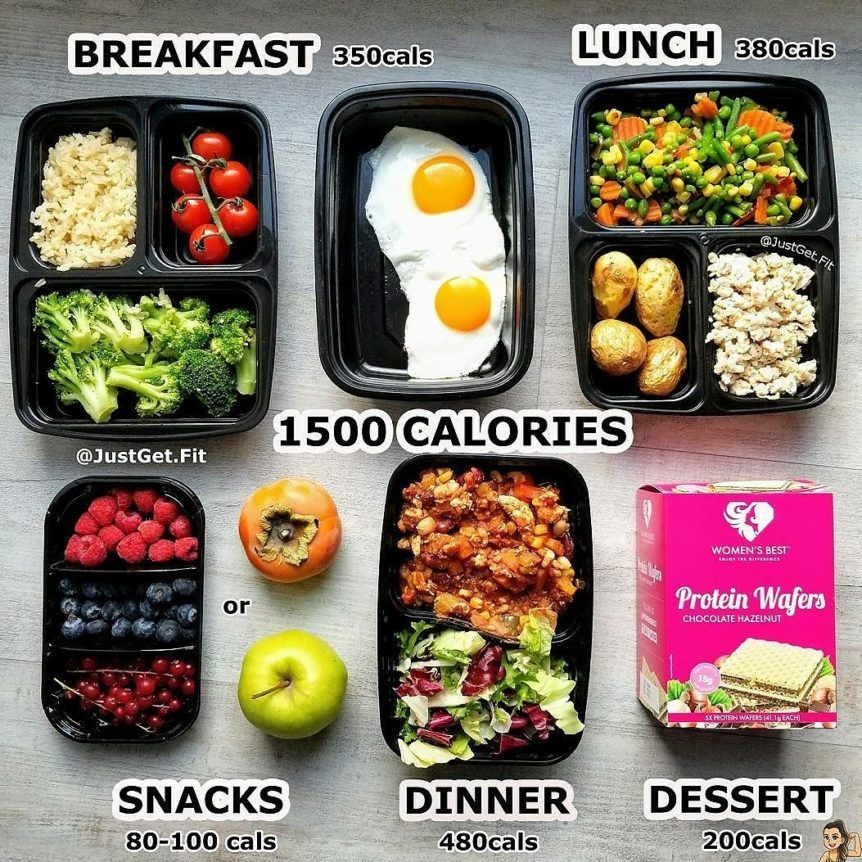
Carbohydrates — Your Primary Fuel:
Carbs replenish glycogen stores depleted during exercise. The Mayo Clinic recommends carbohydrates make up 45–65% of daily calories for active individuals. Prioritize:
- Oats, brown rice, sweet potato
- Whole grain bread, quinoa
- Fruits (especially pre-workout)
Protein — For Muscle Repair
Aim for 0.7–1g of protein per pound of bodyweight on workout days to maximize muscle protein synthesis.
Fats — Keep Them Moderate
Don’t slash fats entirely — they support hormone production. Keep them at 25–35% of daily calories.
What to Eat on Rest Days:
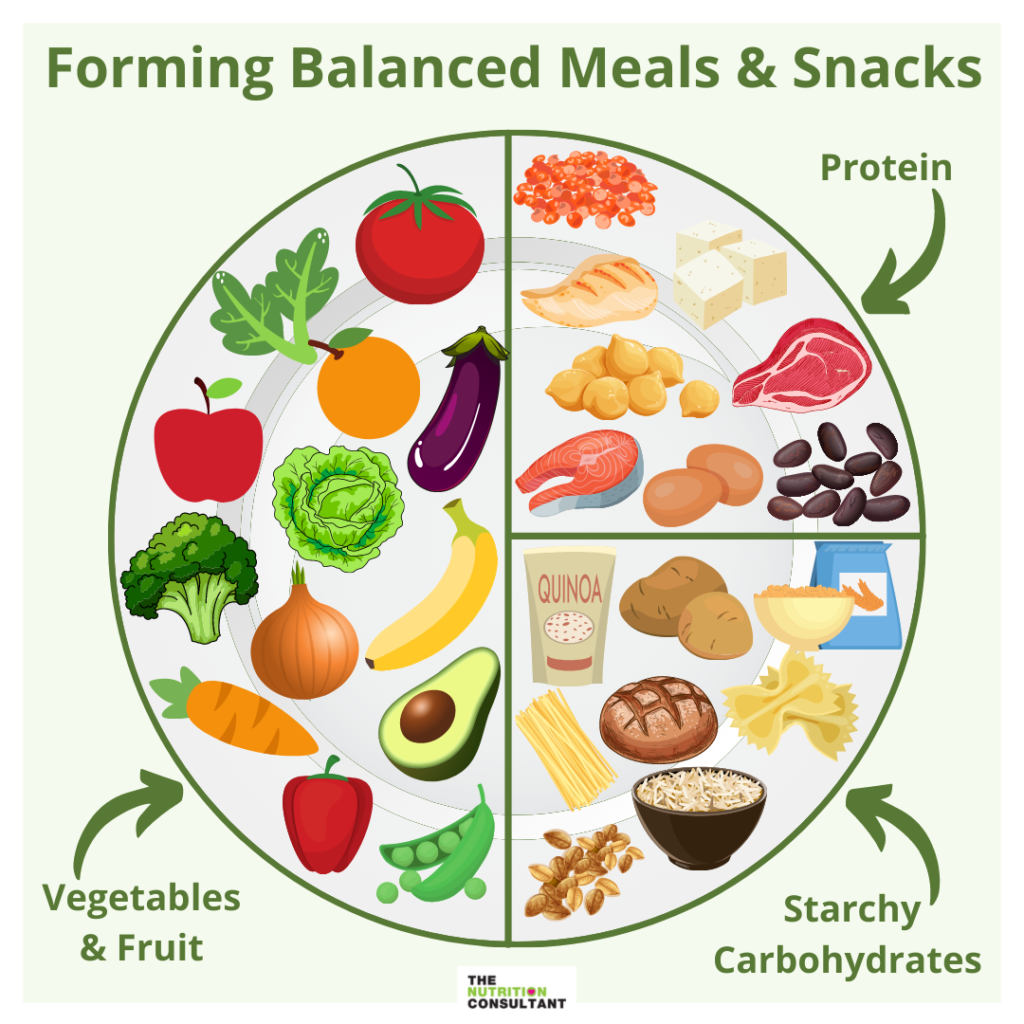
Rest days aren’t “off” days for your metabolism — your body is actively recovering, rebuilding muscle tissue, and managing inflammation.
Slightly Reduce Carbohydrates:
Since you’re not burning glycogen, you can reduce carb intake by 20–40% on rest days. Replace some carbs with:
- Leafy greens and non-starchy vegetables
- Healthy fats (avocado, nuts, olive oil)
Keep Protein High:
Muscle repair continues for 24–48 hours post-workout — so keep protein intake the same or even slightly higher on rest days.
Don’t Undereat:
Eating too little on rest days can spike cortisol, break down muscle tissue, and slow your metabolism. Stay above your BMR.
👉 Not sure what your BMR is? Check your BMR + TDEE instantly here.
Common Mistakes People Make:
1. Eating the Same Every Day:
Treating every day identically ignores the real energy expenditure difference. Your body isn’t burning the same amount — so your calories on rest days vs workout days shouldn’t be identical.
2. Eating Too Little on Rest Days:
Undereating triggers muscle breakdown and fatigue — the opposite of what you want during recovery.
3. Overeating on Workout Days:
A 45-minute gym session doesn’t justify an extra 1,000 calories. Track your actual expenditure using our TDEE Calculator.
4. Ignoring Weekly Averages
What matters most is your weekly caloric average, not individual days. Stay consistent with your weekly target.
How to Calculate Your Rest Day vs Workout Day Calories (3 Easy Steps):
Step 1: Find your TDEE using our free calculator — select your activity level as “sedentary” to get your base rest-day calories.
Step 2: Add your estimated workout burn for training days:
- Light workout (30 min): +150–250 cal
- Moderate workout (45–60 min): +300–450 cal
- Intense workout (60–90 min): +450–700 cal
Step 3: Set your rest day intake at sedentary TDEE minus your desired deficit (200–400 calories for fat loss).
Calories on Rest Days vs Workout Days: Quick Reference Table:
| Goal | Workout Day Calories | Rest Day Calories |
|---|---|---|
| Fat Loss | TDEE – 0 to 200 | TDEE – 300 to 500 |
| Muscle Gain | TDEE + 200 to 400 | TDIC – 0 to 200 |
| Maintenance | TDEE | TDEE – 100 to 200 |

FAQs: Calories on Rest Days vs Workout Days:
Q1: Should I eat less on rest days to lose weight?
Q2: How many calories should I eat on a rest day?
Q3: Is it okay to eat the same calories every day?
Q4: Should I eat more protein on rest days?
Q5: Do I need to track calories daily?
Conclusion:
Mastering calories on rest days vs workout days is one of the most impactful nutrition strategies for anyone serious about their fitness goals. By fueling strategically on training days and eating in a moderate deficit on recovery days, you unlock consistent fat loss while protecting hard-earned muscle.
Stop guessing your numbers — start calculating them.
🔥 Calculate Your Rest Day & Workout Day Calories — Free
Use the DailyTDEE.online TDEE Calculator to find your exact maintenance calories, rest day targets, and workout day intake in under a minute.