

Table of Contents
which one actually works?
If you’ve been lifting for a while, you already know the frustration — you want to build muscle, but every time you try to eat more, you either end up gaining too much fat or barely making progress at all. The missing piece for most people isn’t harder training. It’s knowing exactly how many calories to eat.
That’s where a lean bulk calorie surplus calculator becomes your most important tool.
This guide breaks down exactly what a lean bulk is, how to calculate the right calorie surplus for your body, and why tracking your numbers — not guessing — is what separates steady muscle gain from spinning your wheels.
What Is a Lean Bulk?
A lean bulk is a controlled approach to gaining muscle while minimizing fat gain. Instead of eating everything in sight (the “dirty bulk”), you eat just enough above your maintenance calories to fuel muscle growth — typically 200 to 500 calories above your TDEE (Total Daily Energy Expenditure).
The result? You gain muscle at roughly the same rate as a dirty bulk, but you accumulate significantly less body fat in the process. That means shorter cuts, better year-round conditioning, and no 4-month fat-loss grind to undo your bulk.
Lean Bulk vs. Dirty Bulk: Which Builds More Muscle?
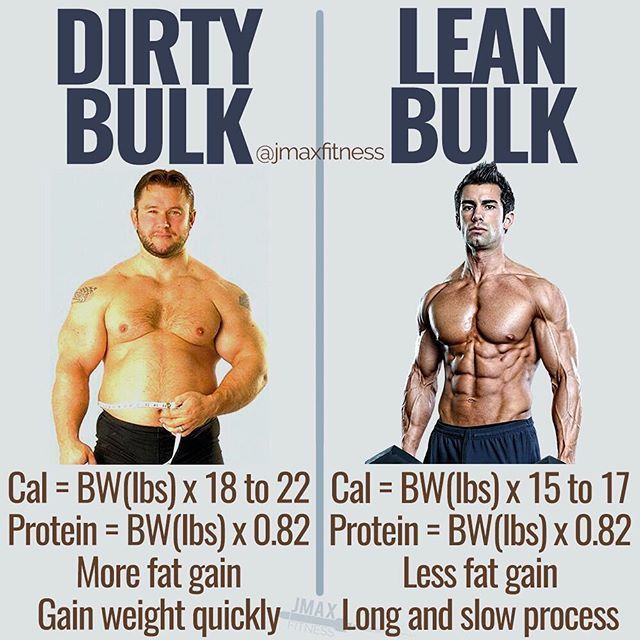
This is the question everyone asks. The short answer: they build roughly the same amount of muscle.
Your body has a ceiling on how fast it can synthesize new muscle tissue — roughly 0.5 to 1 lb of actual muscle per month for a trained lifter, regardless of how much you eat. Once you’ve crossed into a moderate surplus and hit your protein needs, extra calories don’t build extra muscle. They build extra fat.
A 2019 study published in the Journal of the International Society of Sports Nutrition confirmed that a moderate surplus (around 350–500 calories above maintenance) produced similar muscle gains to a much larger surplus — with significantly less fat accumulation.
So eating 1,500 calories above maintenance isn’t giving you a faster physique. It’s just giving you more to cut later. This is exactly why using a lean bulk calorie surplus calculator matters — it keeps your surplus in the productive range, not the excessive one.
| Factor | Lean Bulk | Dirty Bulk |
|---|---|---|
| Calorie surplus | 200–500 cal/day | 500–1,000+ cal/day |
| Muscle gain rate | 0.5–1 lb/month | 0.5–1 lb/month |
| Fat gain | Minimal | Significant |
| Post-bulk cut needed | 4–8 weeks | 3–6 months |
| Tracking required | Yes | No |
| Best for | Most lifters | Beginners, hardgainers |
How to Use a Lean Bulk Calorie Surplus Calculator
Getting your surplus right starts with one number: your TDEE. Here’s the exact process a lean bulk calorie surplus calculator follows — and how to apply it manually if needed.
Step 1 — Calculate Your TDEE
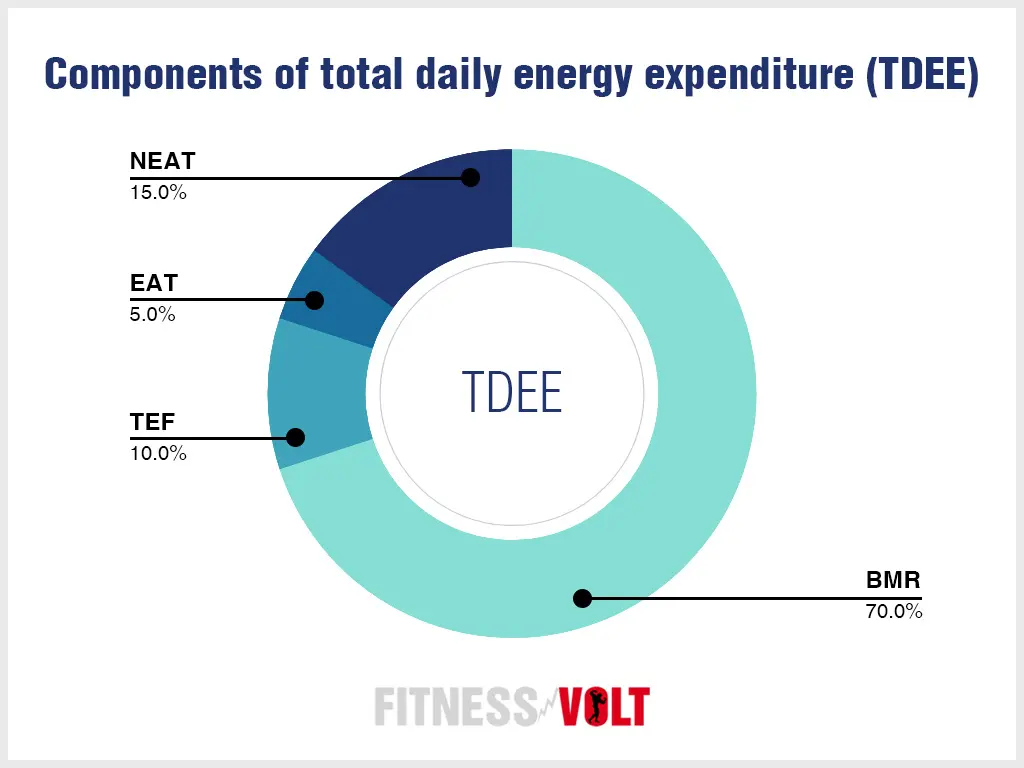
Your TDEE (Total Daily Energy Expenditure) is the total number of calories your body burns in a day, accounting for your basal metabolic rate (BMR) plus all physical activity — gym sessions, walking, daily movement, everything.
Use the TDEE Calculator at dailytdee.online to get your accurate maintenance number. Guessing almost always leads to errors that compound fast. This is the foundation of any accurate lean bulk calorie surplus calculator — without a correct TDEE, your surplus will be off from day one.
Step 2 — Add Your Lean Bulk Surplus
Once you have your TDEE, apply the right surplus for your situation:
- Gain fat easily / Mesomorph or Endomorph body type: Add 200–300 calories
- Average metabolism / Intermediate lifter: Add 300–400 calories
- Fast metabolism / Beginner or Hardgainer: Add 400–500 calories
Example: If your TDEE is 2,800 calories/day, your lean bulk calorie surplus calculator target is roughly 3,000–3,100 calories/day.
Step 3 — Set Your Protein Target
Protein is non-negotiable. Without enough of it, you won’t build muscle regardless of your calorie surplus.
Target: 0.7 to 1g of protein per pound of bodyweight per day.
For a 180 lb person, that’s 126–180g of protein daily. Fill the remaining calories with a mix of carbohydrates and healthy fats based on your preference and training schedule.

Step 4 — Track Weekly Weight Changes
Weigh yourself every morning under consistent conditions (after waking, before eating, after using the bathroom). Average the readings across the week.
What to look for:
- Gaining 0.25–0.5 lbs per week → You’re in the ideal lean bulk zone ✅
- Gaining more than 0.5 lbs per week consistently → Reduce by 100–150 calories
- No weight change after 2–3 weeks → Add 100–150 calories
This feedback loop is what makes a lean bulk work. The lean bulk calorie surplus calculator gives you the starting point. Weekly weigh-in data gives you the direction to adjust it.
Why You Need a Lean Bulk Calorie Surplus Calculator:(Not Just a Guess)
Most people significantly underestimate their calorie intake and overestimate their calorie burn. Those two errors compound fast — and they’re exactly why so many lifters either gain too much fat or make no progress at all.
A lean bulk calorie surplus calculator eliminates both problems by giving you a data-driven daily target based on:
- Your height, weight, and age
- Your activity level and training frequency
- Your goal rate of weight gain
Without this number, you’re flying blind. With it, you have a clear target to hit every day and a system to adjust as your body changes. Recalculate your target using the lean bulk calorie surplus calculator every 4–6 weeks as your bodyweight shifts.
Who Should Lean Bulk?
Lean bulking is the right approach for most people, including:
- Intermediate and advanced lifters who already have a muscle base and want to improve body composition
- People who gain fat easily and want to stay reasonably lean year-round
- Anyone who’s done a dirty bulk before and ended up spending months undoing the fat gain
- Lifters who care about aesthetics, not just scale weight
Who Might Benefit From a Larger Surplus?
A few specific situations make a bigger surplus worth considering:
- Very skinny beginners with no training base — your body is forgiving early on
- Hardgainers who genuinely struggle to hit their calorie targets consistently
- Strength-focused athletes (powerlifters, strongman) where body composition is secondary to performance
For the average gym-goer focused on looking and performing better, lean bulking — with a properly calibrated lean bulk calorie surplus calculator — wins every time.
Common Lean Bulking Mistakes to Avoid:
1. Eating at Maintenance and Calling It a Bulk
A 50-calorie surplus does nothing. If you’re not gaining any weight over 3+ weeks, you’re not in a surplus — you’re at maintenance. Run your numbers through a lean bulk calorie surplus calculator to verify, then actually eat above your TDEE.
2. Being Too Aggressive With the Surplus
More is not better past a certain point. Once you’re 400–500 calories above maintenance and your protein is dialed in, adding more calories doesn’t add more muscle — it adds more fat and more work for your future cut.
3. Dirty Bulking “Just for a Few Months”
Six months of dirty bulking can easily put 15+ lbs of fat on your frame. Cutting that back takes 3–4 months of disciplined dieting. You end up losing more time than you saved. A lean bulk calorie surplus calculator keeps you honest from the start.
4. Not Adjusting Based on Real Data
Your TDEE estimate is a starting point, not a permanent number. It changes as your weight changes. Recalculate every 4–6 weeks, or whenever your weekly weight gain rate shifts significantly.
What Happens After the Lean Bulk?
At some point, you’ll transition into a cut — a period of eating below maintenance to shed the small amount of fat you gained while preserving the muscle you built.
The beauty of lean bulking is that this phase is short. Most lean bulkers need only 4–8 weeks of cutting to get back to a lean baseline. Compare that to 4–6 months after a dirty bulk.
The optimal cycle looks like this:
Lean Bulk (4–6 months) → Short Cut (4–8 weeks) → Repeat
Each cycle adds muscle, removes fat, and moves your physique forward. No wasted months, no yo-yo body composition.
Frequently Asked Questions
Q1: What is a lean bulk calorie surplus calculator and how does it work?
Q2: How many calories above maintenance should I eat for a lean bulk?
Q3: How fast should I gain weight on a lean bulk?
Q4: Can I lean bulk without tracking calories?
Q5: Should I bulk if I still have body fat to lose?
Start Your Lean Bulk the Right Way
The biggest mistake people make with bulking isn’t the food they choose — it’s not knowing their numbers. A lean bulk without a properly set calorie surplus is just guessing, and guessing leads to either stalled progress or unnecessary fat gain.
Here’s your action plan:
- Use the lean bulk calorie surplus calculator → dailytdee.online
- Add your surplus (200–500 calories based on your body type)
- Set your protein (0.7–1g per lb of bodyweight)
- Track weekly weigh-ins and adjust every 2–3 weeks
- Run a short cut when ready, then repeat the cycle
The lean bulk calorie surplus calculator at dailytdee.online gives you the exact baseline you need. From there, it’s just execution.