
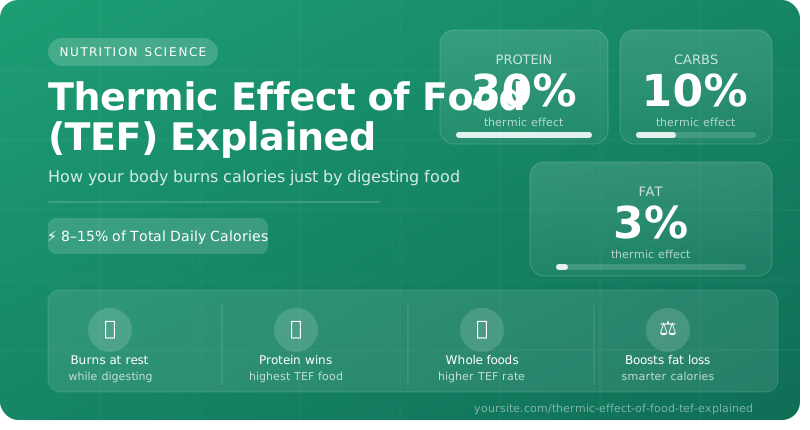
How Your Body Burns Calories While Digesting
If you’ve ever wondered why some diets seem to work better than others — even with the same calorie count — the thermic effect of food (TEF) explained concept might be the missing piece. Understanding how your body uses energy to process what you eat can unlock a smarter approach to nutrition, weight management, and metabolic health
Table of Contents
What Is the Thermic Effect of Food (TEF)?
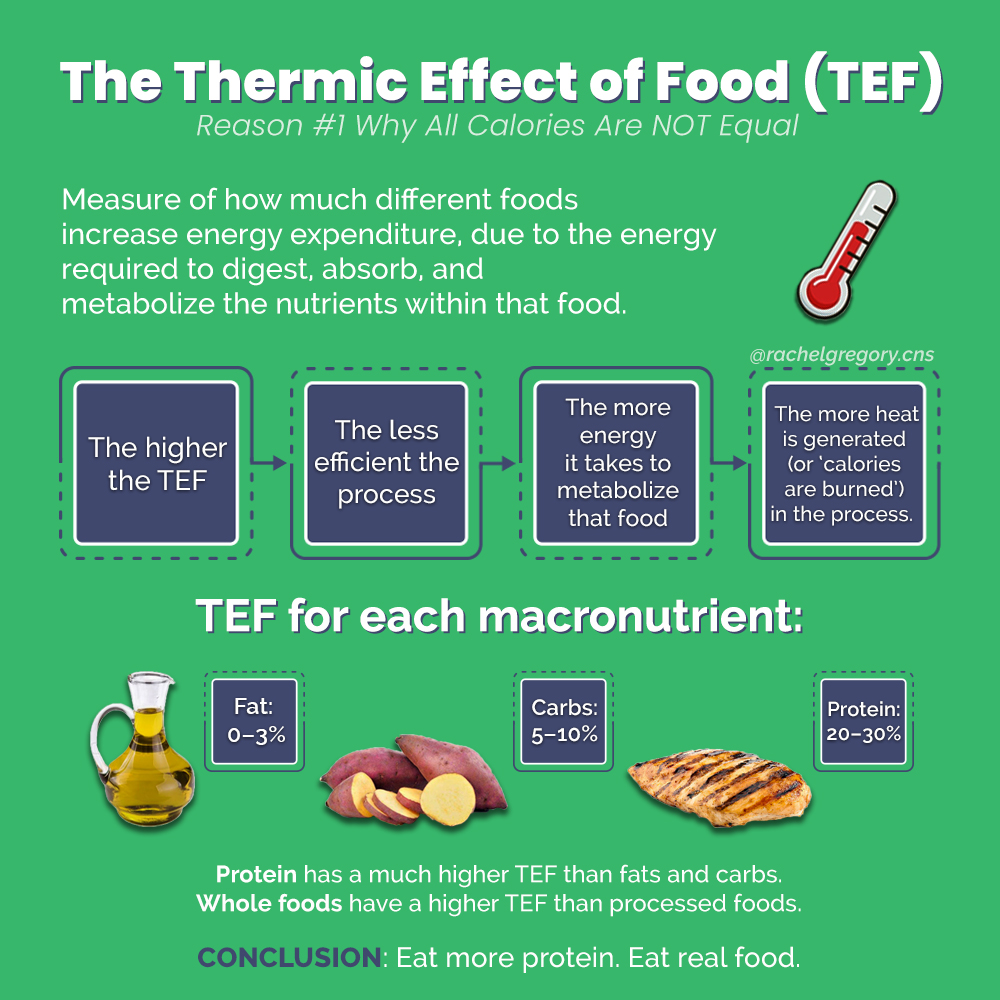
The thermic effect of food (TEF) explained simply means the energy your body expends to digest, absorb, and metabolize the nutrients you consume. Every time you eat, your body has to “work” to break down food — and that work costs calories.
TEF is also known as:
- Diet-Induced Thermogenesis (DIT)
- Specific Dynamic Action (SDA)
- Postprandial Thermogenesis
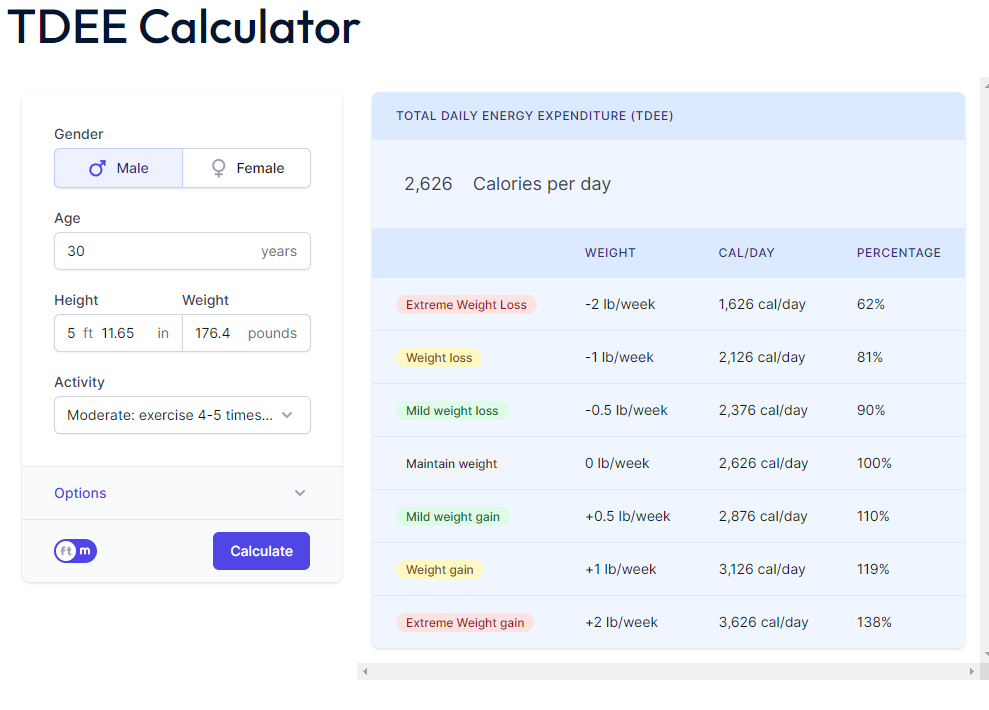
TEF accounts for approximately 8–15% of your Total Daily Energy Expenditure (TDEE), making it one of the three main components of metabolism alongside Basal Metabolic Rate (BMR) and Physical Activity Level (PAL).
Why Is the Thermic Effect of Food (TEF) Important?
Getting the thermic effect of food TEF explained clearly matters because it directly impacts how many net calories your body actually absorbs from a meal. Two foods can contain the same number of calories but leave your body in a very different caloric state after digestion.
For example:
- A 200-calorie serving of chicken breast (high protein) may net only ~160 calories after TEF.
- A 200-calorie cookie (high sugar/fat) may net close to 190–196 calories after TEF.
This is not magic — it’s thermodynamics applied to nutrition.
How Does TEF Work? The Science Behind It:
When you eat food, your digestive system activates. Your stomach produces acid, your small intestine secretes enzymes, your liver processes nutrients, and your cells absorb what they need. All of these processes require adenosine triphosphate (ATP) — your body’s energy currency.
The thermic effect of food (TEF) explained at a biological level comes down to the cost of breaking chemical bonds in macronutrients and reassembling them into usable forms. Protein requires the most energy to denature and convert into amino acids; carbohydrates are moderate; fats require the least.
TEF by Macronutrient: Which Foods Burn the Most Calories Digesting?
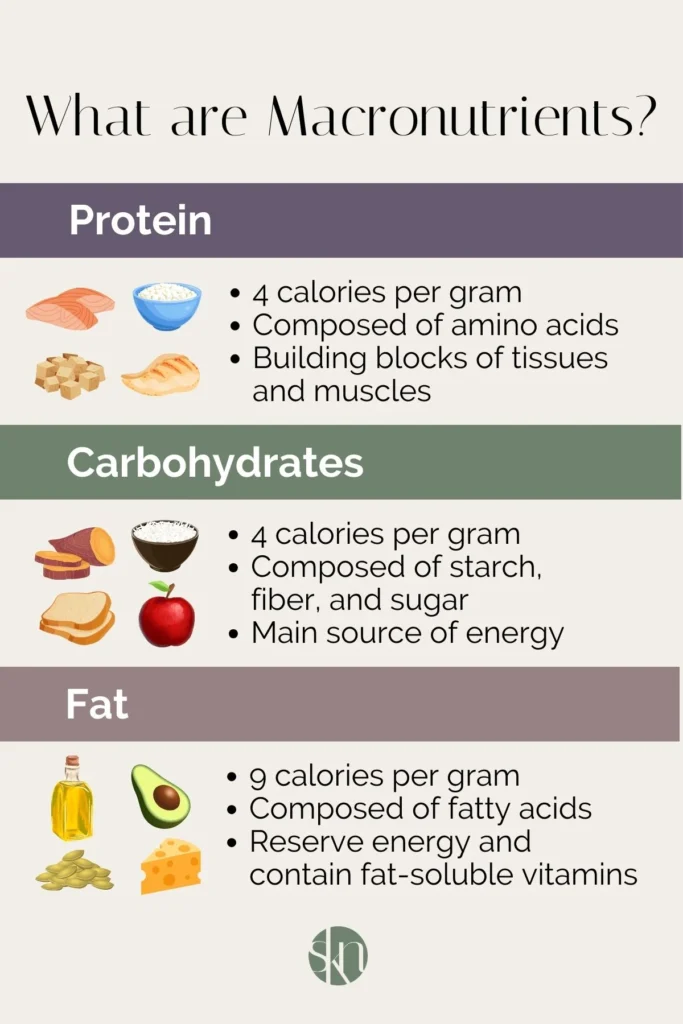
This is where the thermic effect of food TEF explained becomes extremely practical. Different macronutrients have very different thermic values:
1. Protein — 20–30% TEF
Protein has the highest thermic effect of any macronutrient. Your body burns 20–30 calories for every 100 calories of protein consumed. This is why high-protein diets are so effective for fat loss and weight management.
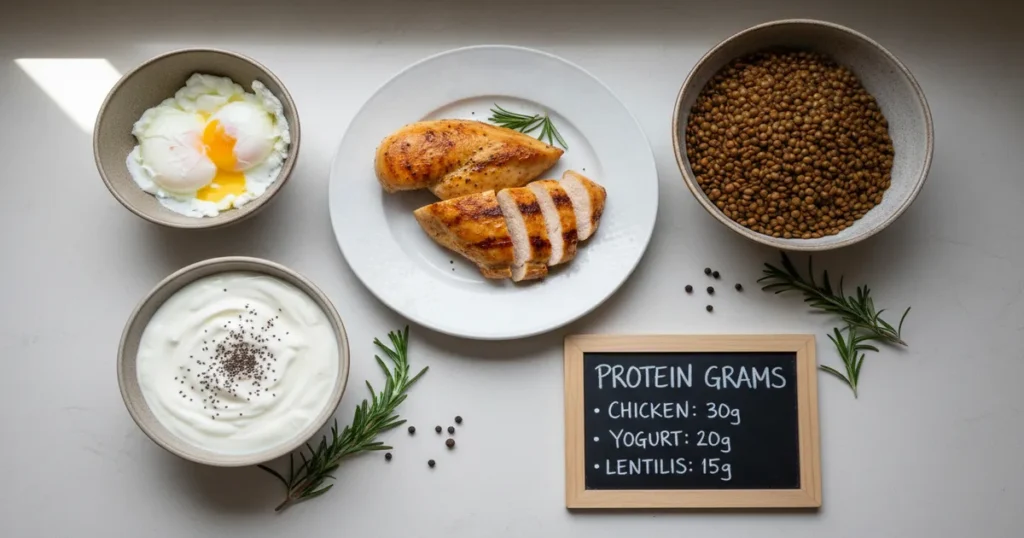
High-protein foods with strong TEF:
- Chicken, turkey, lean beef
- Eggs and egg whites
- Greek yogurt and cottage cheese
- Lentils and legumes
- Whey and casein protein
2. Carbohydrates — 5–10% TEF
Carbohydrates have a moderate thermic effect. Complex carbohydrates (whole grains, vegetables, oats) have a slightly higher TEF than refined carbs and sugars, as they require more processing to break down.
Complex carbs with better TEF:
- Brown rice, quinoa, oats
- Sweet potatoes
- Vegetables and leafy greens
- Beans and lentils
3. Dietary Fat — 0–3% TEF
Fat has the lowest thermic effect because it’s structurally the closest to how your body stores energy. Very little conversion is needed, so very few calories are burned in processing it.
Low-TEF fat sources:
- Butter and oils
- Full-fat dairy
- Fatty cuts of meat
- Processed snacks
Quick TEF Reference Table
| Macronutrient | TEF Range | Calories Burned per 100 kcal |
|---|---|---|
| Protein | 20–30% | 20–30 kcal |
| Carbohydrates | 5–10% | 5–10 kcal |
| Fat | 0–3% | 0–3 kcal |
| Alcohol | ~20% | ~20 kcal |
Thermic Effect of Food TEF Explained:
Factors That Affect It:
Not everyone burns the same number of calories digesting the same meal. Several factors influence your personal TEF:
Age
TEF tends to decrease with age as metabolic rate and digestive efficiency decline. Older adults may have a lower thermic response to meals compared to younger individuals.
Body Composition
People with more lean muscle mass typically have a higher TEF. Muscle tissue is metabolically active and requires more energy to maintain and fuel.
Meal Size and Frequency
Larger meals produce a greater absolute thermic response than smaller meals, though the percentage may remain similar. Meal frequency’s effect on TEF remains debated in research.
Food Processing
Whole, minimally processed foods generally have a higher TEF than their processed counterparts. A study found that eating whole-food sandwiches resulted in nearly 50% more calorie burn during digestion than eating processed versions with identical macronutrient profiles.
Insulin Sensitivity
Individuals with higher insulin sensitivity tend to have a more efficient metabolic response, including a higher TEF. Those with insulin resistance may have a blunted thermic response.
Spicy Foods and Thermogenic Compounds
Capsaicin (chili peppers), caffeine, and green tea catechins have been shown to modestly increase TEF and overall thermogenesis.
Thermic Effect of Food (TEF) vs. Other Components of TDEE:
To fully appreciate the thermic effect of food TEF explained, it helps to see how it fits into your overall energy expenditure:
| Component | Contribution to TDEE |
|---|---|
| Basal Metabolic Rate (BMR) | 60–75% |
| Physical Activity (NEAT + Exercise) | 15–30% |
| Thermic Effect of Food (TEF) | 8–15% |
While TEF is the smallest contributor, its cumulative effect over time is meaningful — especially when optimizing diet composition for fat loss or muscle building.
How to Use TEF to Your Advantage:
Now that you have the thermic effect of food TEF explained, here’s how to practically apply it:
✅ Prioritize Protein at Every Meal
Since protein has the highest TEF (20–30%), increasing protein intake naturally boosts your daily calorie burn. Aim for 0.7–1g of protein per pound of bodyweight.
✅ Choose Whole Foods Over Processed Foods
Whole foods require more energy to digest. Swap white rice for brown rice, white bread for whole grain, and processed snacks for whole-food alternatives.
✅ Don’t Fear Fiber
Dietary fiber — found in vegetables, fruits, and legumes — increases digestive workload and slows glucose absorption, supporting a higher thermic response and better blood sugar control.
✅ Stay Hydrated
Adequate hydration supports all metabolic processes, including digestion. Cold water may also mildly boost thermogenesis.
✅ Incorporate Thermogenic Foods
Green tea, black coffee, chili peppers, and ginger can subtly elevate thermogenesis beyond standard TEF — a small but additive benefit.
Thermic Effect of Food TEF Explained in Weight Loss Context:
When people aim to lose weight, they typically focus only on calories in vs. calories out. But understanding the thermic effect of food TEF explained adds nuance to that equation.
Two diets with identical calorie totals but different macronutrient distributions can produce different fat loss outcomes because of TEF. A high-protein, whole-food diet will create a higher net caloric deficit than a high-fat, processed-food diet — even at the same gross calorie intake.
This is one reason why protein-forward, whole-food diets consistently outperform other dietary patterns for fat loss in clinical research.
Common Myths About TEF:
Myth 1: “Eating more frequently boosts metabolism significantly through TEF.”
Reality: While each meal generates a thermic response, the total TEF across a day is primarily determined by total food intake, not meal frequency.
Myth 2: “Spicy food can replace exercise for calorie burning.”
Reality: Thermogenic foods like chili have a real but modest effect — typically an extra 10–50 calories per day. Not a substitute for exercise.
Myth 3: “Fat makes you fat because it has 9 calories per gram.”
Reality: While fat is calorie-dense and has a low TEF, dietary fat in context of overall intake is not inherently fattening. Total calorie balance still determines body composition.
Conclusion:
Putting the Thermic Effect of Food TEF Explained Into Practice
The thermic effect of food (TEF) explained is a powerful but often overlooked tool in nutrition science. While it won’t replace calorie tracking or physical activity, understanding that your body burns a meaningful amount of energy just by digesting food — and that different foods trigger very different thermic responses — can meaningfully improve how you approach your diet.
Key takeaways:
- TEF accounts for 8–15% of total daily energy expenditure
- Protein has the highest TEF (20–30%), making it the king of satiety and fat loss
- Whole, unprocessed foods have a higher thermic effect than processed alternatives
- Age, body composition, and insulin sensitivity all influence your personal TEF
By strategically choosing high-TEF foods and building meals around protein and whole-food carbs, you can burn more calories — without exercising more.