
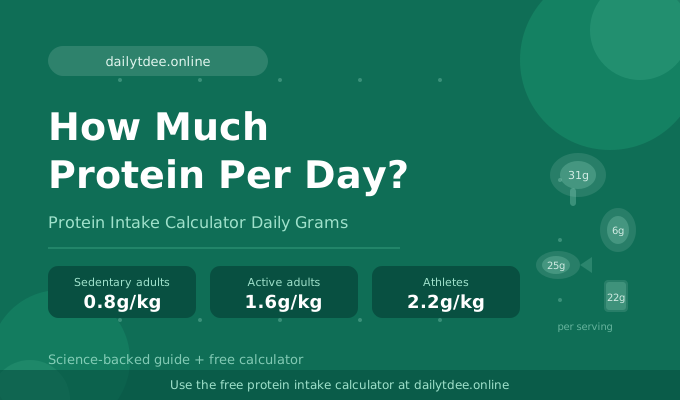
Are you eating enough protein? Most people have no idea. Whether you’re trying to build muscle, lose fat, or simply stay healthy, knowing your exact daily protein intake in grams can make or break your results.
In this comprehensive guide, we’ll break down exactly how much protein per day your body needs — based on your weight, goals, and activity level. Plus, we’ll show you how a protein intake calculator takes all the guesswork out of it so you can hit your targets every single day.
💡 Quick Tip: Already know your calories? Use our TDEE Calculator to find your Total Daily Energy Expenditure first — then dial in your protein for maximum results.
Table of Contents
What Is Protein and Why Does Your Body Need It?
Protein is one of three macronutrients (alongside carbohydrates and fat) that your body uses for energy and function. But protein does something the others don’t: it builds and repairs tissues, including muscles, skin, organs, and enzymes.
Every cell in your body contains protein. Without adequate daily protein intake, your body begins breaking down muscle tissue to meet its needs — a process called catabolism. This is especially dangerous when you’re dieting or exercising.
Key Functions of Protein:
- Muscle synthesis and repair — critical for athletes and gym-goers
- Hormone production — insulin, growth hormone, and more are made from protein
- Enzyme activity — digestive enzymes are proteins
- Immune function — antibodies are proteins
- Satiety and appetite control — protein keeps you fuller longer
How Much Protein Per Day Do You Actually Need?
This is the million-dollar question. The answer depends on several factors:
- Your body weight (or lean body mass)
- Your activity level
- Your fitness goal (muscle gain, fat loss, maintenance)
- Your age
General Protein Intake Guidelines (Daily Grams)
| Goal | Protein Per Pound of Body Weight | Protein Per Kg of Body Weight |
|---|---|---|
| Sedentary (basic health) | 0.36g/lb | 0.8g/kg |
| Light activity / weight maintenance | 0.5–0.6g/lb | 1.1–1.3g/kg |
| Fat loss (preserve muscle) | 0.7–1.0g/lb | 1.5–2.2g/kg |
| Muscle building | 0.8–1.0g/lb | 1.6–2.2g/kg |
| Athletes / heavy training | 1.0–1.2g/lb | 2.2–2.6g/kg |
Protein Intake Calculator Daily Grams — Quick Formula
For muscle building:
Daily Protein (grams) = Body Weight (lbs) × 0.8 to 1.0
For fat loss:
Daily Protein (grams) = Body Weight (lbs) × 0.7 to 1.0
Example: A 180 lb person aiming to build muscle should eat 144–180 grams of protein per day.
🔢 Want an exact number tailored to YOU? Try our Protein Intake Calculator — it factors in your TDEE, body weight, and specific goals to give you your perfect daily protein target
Daily Protein Intake by Body Weight
Here’s a quick-reference table for how many grams of protein per day based on common body weights:
| Body Weight | Sedentary (0.8g/kg) | Active (1.6g/kg) | Athlete (2.2g/kg) |
|---|---|---|---|
| 120 lbs (54 kg) | 43g | 87g | 119g |
| 150 lbs (68 kg) | 54g | 109g | 150g |
| 175 lbs (79 kg) | 63g | 127g | 174g |
| 200 lbs (91 kg) | 73g | 146g | 200g |
| 220 lbs (100 kg) | 80g | 160g | 220g |
⚡ These numbers are estimates. For a personalized protein intake calculation, use our TDEE and Macro Calculator — it gives you protein, carbs, and fat targets all in one place.
How to Calculate Your Daily Protein Intake Step-by-Step
Step 1: Find Your TDEE (Total Daily Energy Expenditure)
Before calculating protein, you need to know how many calories you burn per day. Your TDEE accounts for your basal metabolic rate (BMR) plus physical activity.
👉 Calculate Your TDEE Here — free, fast, and accurate.
Step 2: Set Your Calorie Goal
- Muscle gain: TDEE + 200–500 calories (caloric surplus)
- Fat loss: TDEE – 300–500 calories (caloric deficit)
- Maintenance: Eat at your TDEE
Step 3: Calculate Protein in Daily Grams
Multiply your body weight (in lbs) by your target protein multiplier based on your goal (see table above).
Step 4: Fill Remaining Calories with Carbs and Fats
Once protein is set:
- Each gram of protein = 4 calories
- Each gram of carbs = 4 calories
- Each gram of fat = 9 calories
🎯 Skip the math entirely — our Macro Calculator does all four steps for you automatically.
Protein Intake for Specific Goals:
How Much Protein Per Day to Build Muscle?
For muscle hypertrophy, research consistently shows that 1.6–2.2g of protein per kg of body weight (or 0.7–1.0g per pound) is optimal. Anything beyond 2.2g/kg shows diminishing returns for most people.
Key tips for muscle gain:
- Spread protein across 4–6 meals throughout the day
- Consume 20–40g of protein per meal for maximum muscle protein synthesis
- Eat a high-protein meal within 2 hours after training
How Much Protein Per Day to Lose Weight?
When cutting calories, protein becomes even more critical. A high-protein diet during fat loss (0.8–1.2g per lb) helps:
- Preserve lean muscle mass
- Increase satiety and reduce hunger
- Boost metabolism through the thermic effect of food (TEF)
Studies show that higher protein intakes during caloric restriction result in greater fat loss and less muscle loss compared to lower protein diets.
🔥 Pairing high protein with an accurate calorie deficit is the key. Find your ideal deficit with our Calorie Deficit Calculator.
How Much Protein Per Day for Women?
Women often undereat protein. The same principles apply — 1.6–2.2g/kg for active women, 0.8g/kg minimum for sedentary adults. Women who are pregnant or breastfeeding need additional protein (~25g/day extra).
How Much Protein Per Day for Men?
Active men, especially those lifting weights, typically need 150–200+ grams of protein per day depending on body weight and training intensity.
Protein Needs for Older Adults (50+)
As we age, muscle loss (sarcopenia) becomes a major concern. Research suggests older adults need more protein, not less — up to 1.2–1.6g/kg just for maintenance.
Best High-Protein Foods to Hit Your Daily Intake
Animal-Based Protein Sources
| Food | Serving Size | Protein (grams) |
|---|---|---|
| Chicken breast | 100g | 31g |
| Tuna (canned) | 100g | 29g |
| Eggs | 1 large | 6g |
| Greek yogurt | 200g | 20g |
| Cottage cheese | 100g | 11g |
| Salmon | 100g | 25g |
| Ground beef (lean) | 100g | 26g |
| Turkey breast | 100g | 29g |

Plant-Based Protein Sources
| Food | Serving Size | Protein (grams) |
|---|---|---|
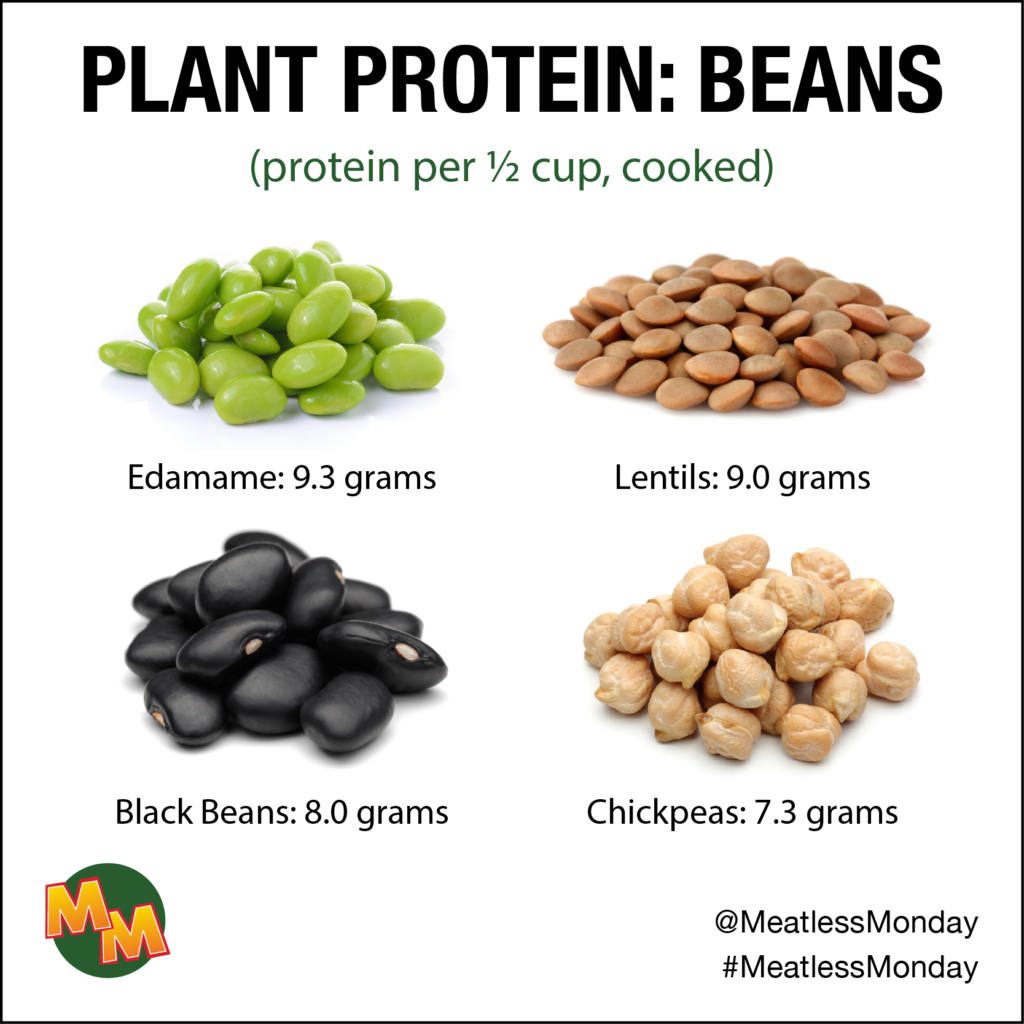
| Lentils (cooked) | 100g | 9g |
| Chickpeas | 100g | 8.9g |
| Tofu | 100g | 8g |
| Edamame | 100g | 11g |
| Black beans | 100g | 8.9g |
| Quinoa (cooked) | 100g | 4.4g |
| Hemp seeds | 30g | 9.5g |
| Pea protein powder | 1 scoop (30g) | 20–25g |
Protein Supplements
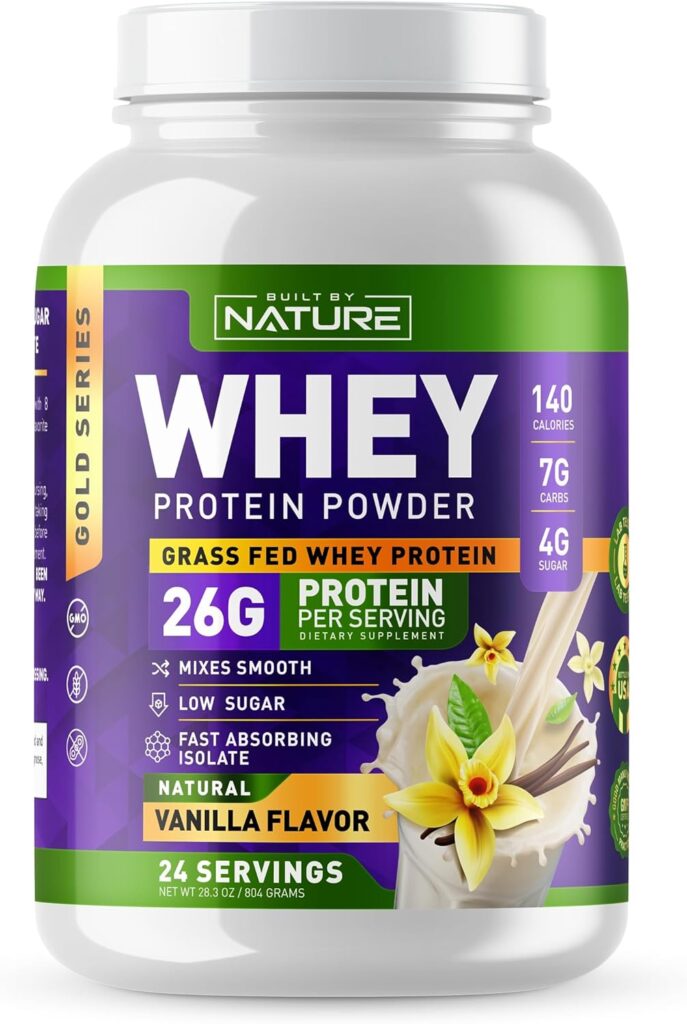
- Whey protein: 20–25g per scoop, fast-absorbing — ideal post-workout
- Casein protein: 20–24g per scoop, slow-digesting — ideal before bed
- Plant protein blends: 15–25g per scoop — great for vegans
How to Use a Protein Intake Calculator:
A protein intake calculator takes the guesswork out of your nutrition. Here’s what a good one needs to calculate your daily grams accurately:
- Body weight (lbs or kg)
- Height and age (to estimate BMR and TDEE)
- Activity level (sedentary to very active)
- Fitness goal (fat loss, muscle gain, maintenance)
Our Daily Protein Calculator at DailyTDEE.online uses all of these inputs to give you a precise daily protein target in grams — not a vague range.
Common Protein Intake Mistakes to Avoid:
❌ Eating Too Little Protein
The #1 mistake. Most people dramatically undereat protein, especially on low-calorie diets.
❌ Eating All Your Protein in One Meal
Your body can only use ~20–40g of protein for muscle synthesis at once. Spread it out!
❌ Ignoring Protein Quality (PDCAAS/DIAAS Score)
Animal proteins are “complete” (contain all essential amino acids). Many plant proteins are incomplete — combine different sources.
❌ Not Adjusting Protein as You Lose Weight
As your body weight changes, your protein needs change. Recalculate regularly.
🔄 Recalculate your protein needs every 4–6 weeks as your weight and goals evolve. Use our TDEE Calculator to stay on track.
Sample High-Protein Meal Plan (150g Protein Per Day):
Breakfast (~40g protein)
- 4 scrambled eggs (24g)
- 1 cup Greek yogurt (17g)
- ½ cup blueberries
Lunch (~45g protein)
- 6 oz grilled chicken breast (42g)
- 1 cup brown rice
- Large mixed salad with olive oil
Snack (~20g protein)
- 1 scoop whey protein shake (22g)
- 1 apple
Dinner (~45g protein)
- 6 oz salmon (34g)
- 1 cup cottage cheese (14g)
- Roasted vegetables
Total: ~151g protein / ~2,000 calories
📊 Want a full macro breakdown for your specific calories and goals? Our Macro Calculator gives you protein, carbs, and fat targets in one click.

FAQs: Protein Intake Calculator Daily Grams:
1: How much protein do I need per day in grams?
2: Can I eat too much protein?
3: Is 100 grams of protein per day enough?
4: How do I calculate my daily protein intake?
5: Does protein timing matter?
6: What’s the best protein calculator online?
Conclusion:
Protein is the single most important macronutrient for body composition, whether your goal is building muscle, losing fat, or improving overall health. The right daily protein intake in grams varies by individual — but with a reliable protein intake calculator, you can nail your targets every day.
Here’s your action plan:
- ✅ Calculate your TDEE → DailyTDEE.online
- ✅ Find your protein target → Protein Calculator
- ✅ Get your full macro breakdown → Macro Calculator
- ✅ Build your meal plan around high-protein foods
- ✅ Recalculate every 4–6 weeks as your weight changes
Stop guessing. Start calculating. Your results depend on it.
🔢 Find Your Exact Daily Protein in Seconds
Stop guessing how much protein you need. Our free Protein Intake Calculator gives you your exact daily grams — personalized to your body weight, activity level, and goals.
→ Use the Protein Intake Calculator Now
Already know your protein? Calculate your full macros — protein, carbs, AND fat — with our TDEE & Macro Calculator.