
Are you tired of feeling frustrated, stuck in a cycle of gaining and losing the same ten pounds? You aren’t alone. Many people feel “sick of their life” because they can’t seem to crack the code on nutrition and fat loss. The good news is that weight loss isn’t magic—it’s thermodynamics.
If you’ve been asking, “how many calories to lose weight,” this guide will walk you through the science-backed steps to find your “sweet spot” and finally see results that last.
Table of Contents
Understanding the Science: Energy In vs. Energy Out
At its simplest level, your body works on a balance of energy.
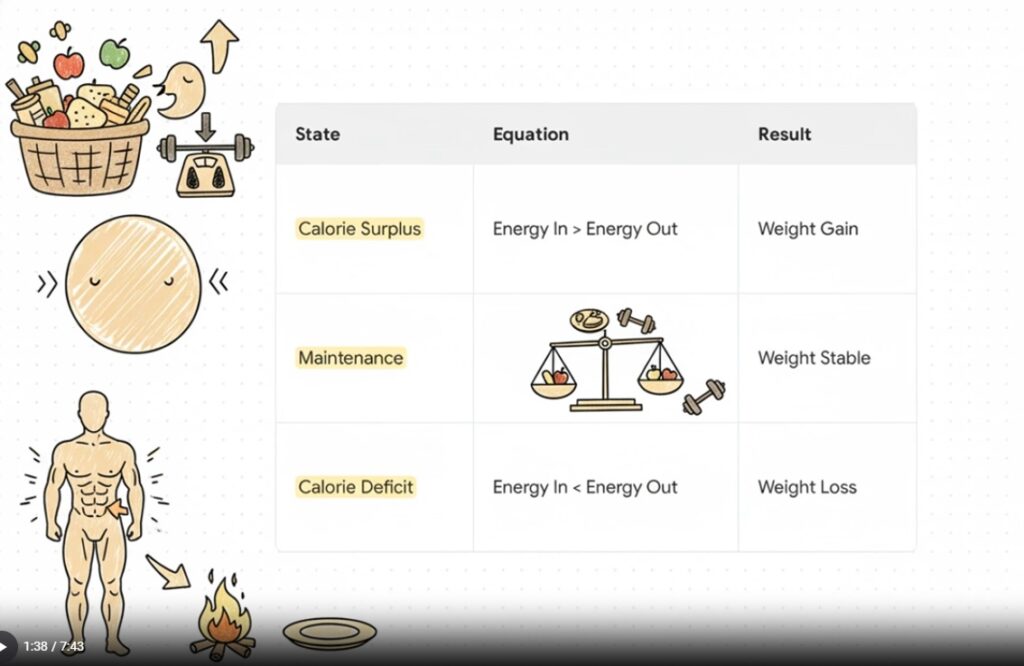
- Maintenance: Energy In = Energy Out. Your weight stays the same.
- Weight Gain: Energy In > Energy Out. Your body stores the extra energy as fat.
- Weight Loss: Energy In < Energy Out. Your body pulls energy from stored fat to make up the difference.
To lose weight, you must enter a calorie deficit. To do this accurately, you first need to know your TDEE (Total Daily Energy Expenditure), which is the total number of calories you burn in 24 hours.
Step-by-Step: How to Calculate Your Calories
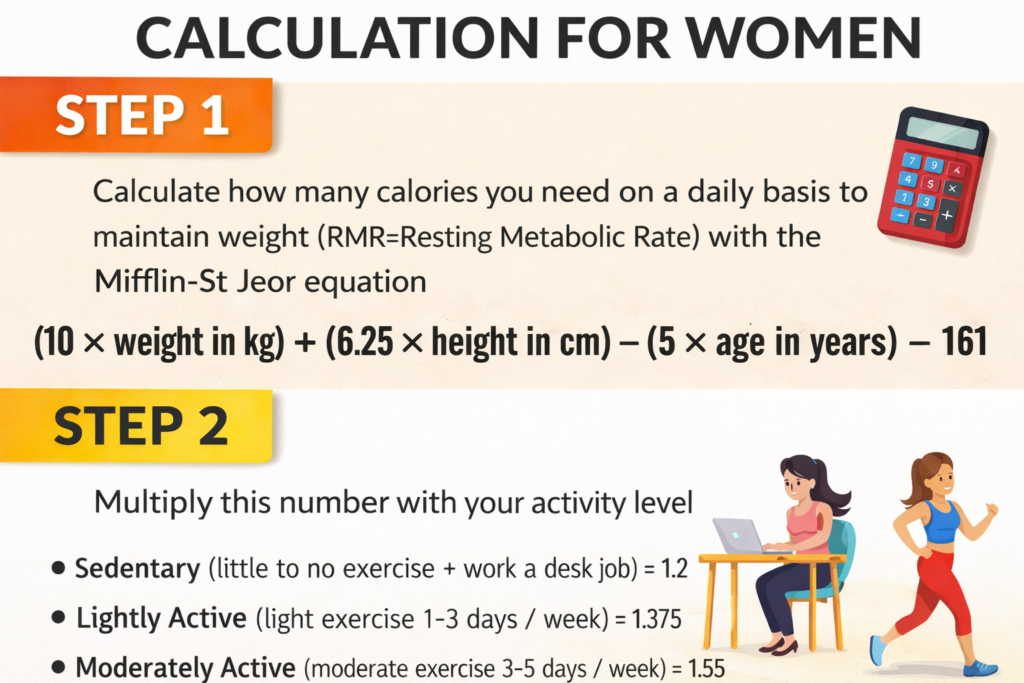
Finding your perfect number involves a few key metrics. You can make this easy by using the tools at dailytdee.online.
Step 1: Find Your BMR (Basal Metabolic Rate)
Your BMR is the energy your body needs just to keep your organs functioning while at rest—breathing, heart beating, and brain function. It actually accounts for 60% to 70% of your daily burn! Most calculators use the Mifflin-St Jeor equation to estimate this based on your age, gender, height, and weight.
Step 2: Factor in Your Activity Level
Since you don’t just lay in bed all day, you must multiply your BMR by an Activity Factor.
- Sedentary (1.2): Desk job, little to no exercise.
- Lightly Active (1.375): Light exercise 1–3 days a week.
- Moderately Active (1.55): Training 3–5 days a week.
- Very Active (1.725): Hard training 6–7 days a week or a physical job.
Step 3: Calculate Your TDEE
Your TDEE is BMR multiplied by your Activity Factor. This is your “break-even” number.
Step 4: Subtract for the Deficit
To lose fat, you need to eat less than your TDEE.
- The Moderate Approach: Subtract 500 calories from your TDEE. This typically leads to about 1 lb (0.5 kg) of weight loss per week.
- The Percentage Approach: Aim for a 20% deficit. For example, if your TDEE is 2,000, eating 1,600 calories (a 400-calorie deficit) is a sustainable starting point.
Examples: Putting the Numbers into Practice
Let’s look at how this looks for different body types:
- Example A (The 200lb Male): A 30-year-old male who is 5’9″ and moderately active might have a TDEE of approximately 2,879 calories. To lose weight safely, he might target roughly 2,300–2,400 calories per day.
- Example B (The 165lb Female): A woman with a TDEE of 2,200 calories might start her fat loss journey at 1,700–1,800 calories.
Pro-Tip: If you have multiple calculators giving you different numbers, start with the highest estimate first. It’s better to see if you can lose weight while eating more food before dropping lower.
Beyond the Numbers: The “Secret Sauce” for Fat Loss
Calculating “how many calories to lose weight” is just the start. To ensure you lose fat and not just muscle, follow these rules:
- Prioritize Protein: Aim for roughly 1 gram of protein per pound of your ideal body weight. Protein is highly satiating and has a high Thermic Effect of Food (TEF), meaning you burn more calories just by digesting it.
- Move More (The 15k Step Goal): Walking is a “non-cortisol event” that helps melt fat without spiking stress hormones that can lead to storage. Some experts recommend aiming for 15,000 steps a day for maximum results.
- Resistance Training: Lifting weights signals to your body to keep its muscle while burning fat. This prevents the “skinny fat” look and keeps your metabolism humming.
Frequently Asked Questions (FAQs)
Should I eat back the calories I burn through exercise?
What if the scale doesn’t move for a few days?
How long should I stay in a calorie deficit?
Start Your Journey Today
Determining how many calories to lose weight doesn’t have to be guesswork. Use the data, stay consistent, and remember that “Bob’s your uncle”—if you’re in a deficit, you will lose weight.
Ready to find your number? Visit dailytdee.online now to use our free, accurate TDEE calculator and get your personalized fat loss plan!